Data Centers
6 Key Takeaways: Turning Land and Utility Data into Deal Flow
Learn how to leverage land data to streamline the process of finding and valuing power-ready land with Acres’ Rush Evans.
Predict community pushback and regulatory hurdles early with sentiment data to avoid permitting delays. De-risk data center site selection with Acres.
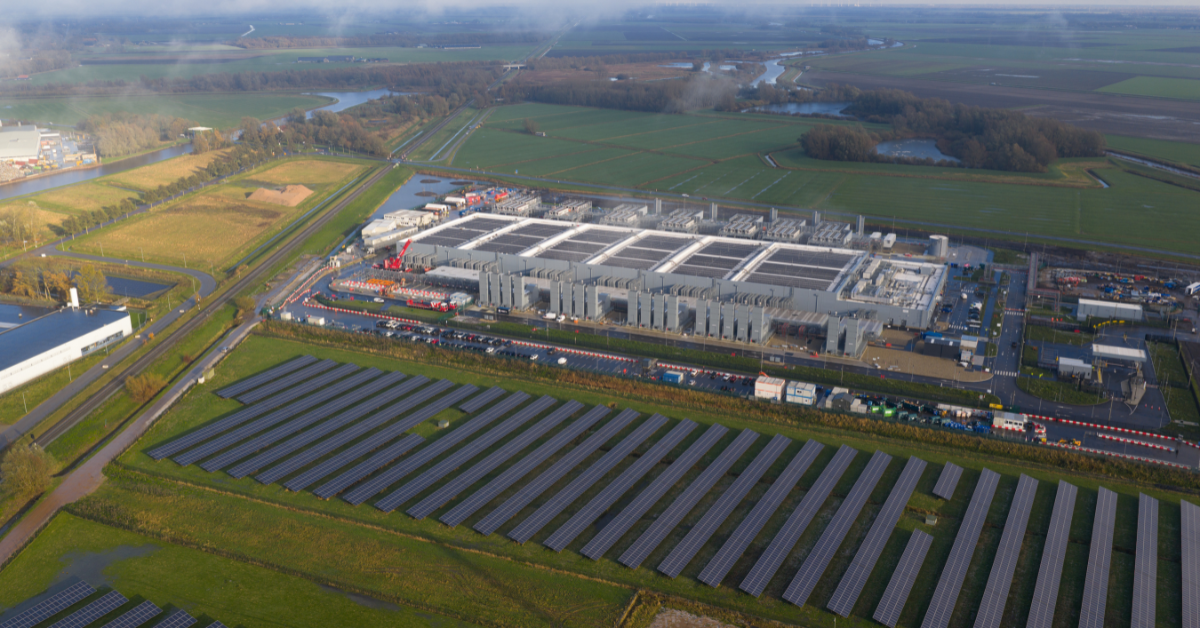
In recent years, billions in data center projects have been blocked or delayed—even when power and infrastructure align—because manual research and fragmented data sources can't surface regulatory and political risks early enough.
Data center permitting delays caused by community opposition and political risk can be prevented by evaluating local government sentiment alongside technical site criteria before any capital is committed.
Acres Intelligence integrates civil monitoring data from Hamlet to identify jurisdictions with active community support for data center development, helping teams avoid sites likely to face approval resistance.
The 2026 advantage isn't just finding powered land, it's identifying which sites have viable paths to approval before your competitors lock up the next opportunity.
A developer identifies the perfect site. Power capacity checks out. Fiber is nearby. The parcel size works. The team invests weeks into due diligence, only to discover that the township has a moratorium on large industrial projects, or that a recent plan update deprioritized data center development in favor of residential growth.
These discoveries don't show up in zoning codes or on utility maps. They emerge from city council transcripts, planning commission debates, and township meetings—signals that traditional land data systems simply can't capture at scale.
The challenge isn't just time lost on a deal. It's the opportunity cost of pursuing sites that were never truly viable while competitors moved forward on opportunities with clearer paths to approval.
Acres Intelligence is already built to support data center site selection—unifying thousands of data layers like power capacity, fiber proximity, and ownership structures into a single natural-language search. It allows teams to navigate zoning, trace LLCs, and assess environmental risks instantly, replacing weeks of manual reports.
By integrating Hamlet’s local government monitoring, Acres now adds a critical layer to the process: visibility into the political landscape surrounding data center development. This allows teams to cross-reference technically perfect sites with community sentiment. The result isn't just finding land that could work, but identifying land where the path to approval is already clear.
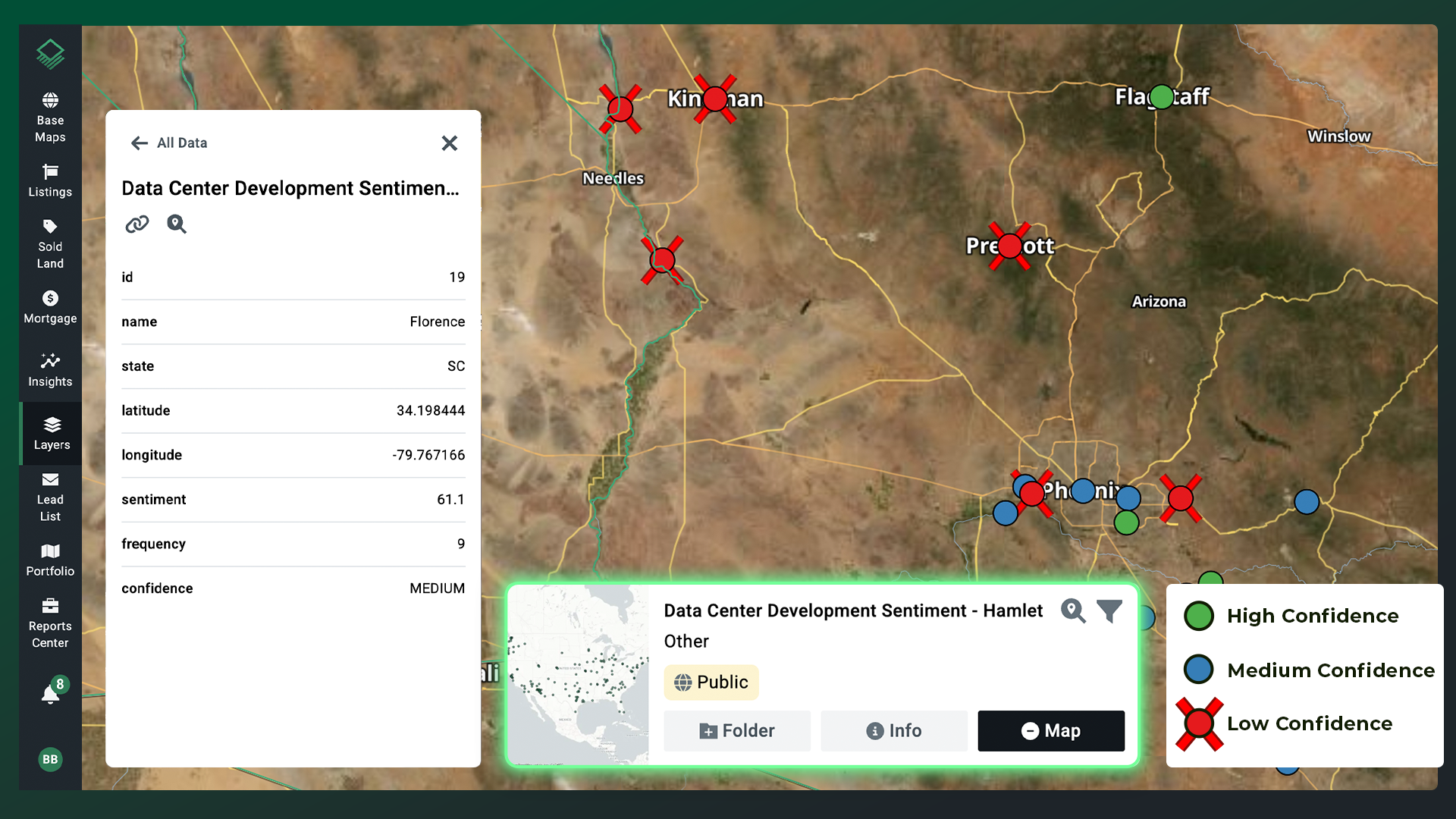 Acres.com Data Center Development Sentiment Layer
Consider the difference between these two approaches to site evaluation:
DC Blox's $500 million data center proposal in Richmond, Virginia was deferred in July 2024 and ultimately withdrawn after county staff and local residents raised concerns about noise and aesthetics. By February 2025, the company announced a redesigned project: a smaller, single-story facility relocated behind existing development to address community concerns.
The result: Several months of delay, stranded capital, and a 66% reduction from a 195,000-square-foot, two-building campus to a single 65,000-square-foot facility.
Using Acres Intelligence, a developer identifies ideal parcels and cross-references them with Hamlet’s local government sentiment data. They discover that while the site is technically permitted, recent planning commission meetings reveal growing local concerns regarding infrastructure impacts—a signal of potential resistance.
The result: The developer moves on to more promising jurisdictions before investing in preliminary designs, environmental studies, or community engagement for a site unlikely to gain approval.
As competition intensifies, the ability to identify opportunities with genuine paths to approval becomes just as valuable as finding powered land.
Acres Intelligence gives data center developers the complete picture before committing resources. Navigate zoning complexities, trace ownership structures, assess environmental risks, and surface local civic sentiment—all in one platform, in just minutes.
When your team can identify not just where powered land exists, but land where communities are actively seeking data center development, you're operating with an unprecedented advantage: seeing opportunities others miss and avoiding risks they can't detect.
Request a demo to see how data center teams nationwide are using Acres Intelligence to identify and secure sites with clear paths to approval.
Learn how to leverage land data to streamline the process of finding and valuing power-ready land with Acres’ Rush Evans.
The future grid is built on land data. Discover how complete land research helps utilities find powered land, fix bottlenecks, and reduce risk.
The surge in AI workloads is redefining 2025 data center investment. See where the capital is going and why.