Property Rights
Beginner’s Guide to Conservation Easements
Discover how conservation easements protect land, support sustainability, and provide tax benefits for landowners.
Learn how to invest in rural Qualified Opportunity Zones, maximize tax deferrals, and find high-yield land parcels using complete land data and AI.
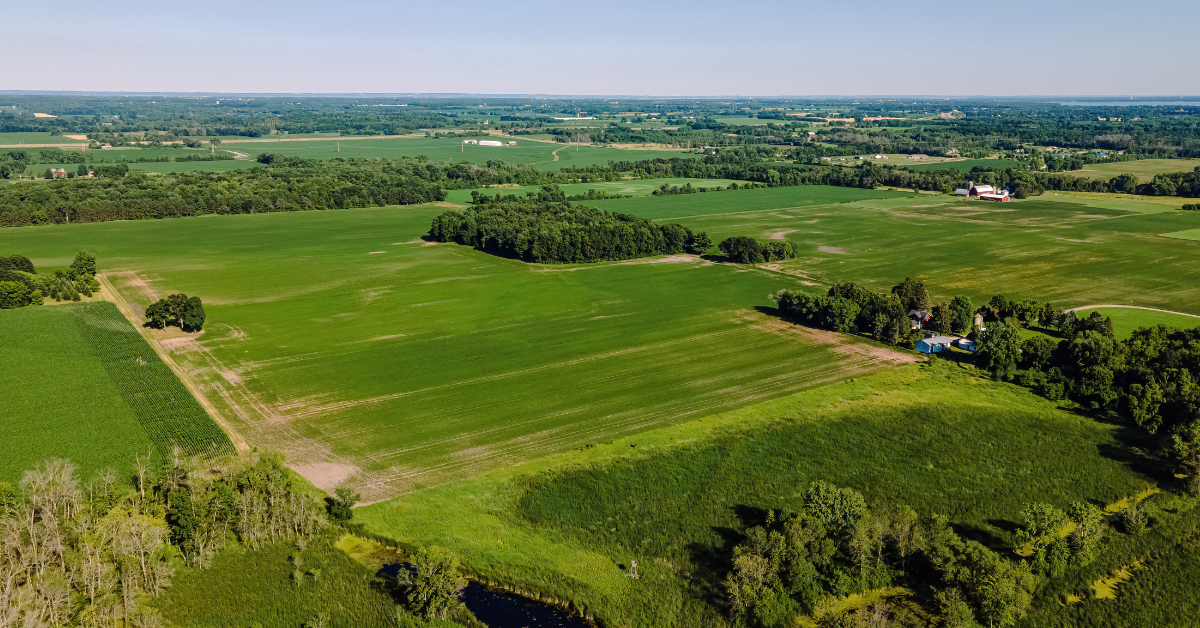
Rural Opportunity Zones represent an overlooked category in the federal Qualified Opportunity Zone (QOZ) program, despite offering strong tax incentives and a growing set of policy support specifically designed for rural investment.
For business executives and investors evaluating where to deploy capital gains, rural zones offer earlier entry points, less competition, and a direct connection to communities where private investment can make a significant difference.
This guide breaks down what rural QOZs are, how the tax incentives work, how to identify the right zones, and what a sound investment strategy looks like in practice, so you can evaluate whether these opportunities align with your goals.
What Are Qualified Opportunity Zones (QOZs)?
Rural Opportunity Zones vs. Urban QOZs
Opportunity Zone Key Tax Incentives and Benefits for Investors
How to Identify Rural Opportunity Zones Using Acres Intelligence
Compliance Requirements for Qualified Rural Opportunity Zones
Investment Strategies for Successful Rural Land and QOZ Development
Navigating Risks and Challenges in Rural QOZ Investments
The Future of Federal Opportunity Zones in Rural America
The program works by allowing investors to reinvest capital gains into a designated zone within a set window after a qualifying sale.
Eligible projects span real estate development, infrastructure, and business operations. For executives evaluating where to put capital gains to work, QOZs offer a tax structure that rewards longer-term, committed investment in communities that have historically lacked access to private capital.
That investment tends to generate downstream benefits as well, including job creation, increased local tax revenue, and broader economic activity in the surrounding region.
Rural Opportunity Zones share a similar federal tax framework as standard QOZs, but tend to have lower population density, less developed infrastructure, and fewer institutional investors already in the market. For investors, that can mean less competition and earlier entry points than more established urban zones.
These are areas where federal and state support programs are aligned with investment activity, which can reduce project risk, including:
For investors, these projects offer strong financial incentives. For the communities, they represent access to capital that has historically passed them by.
The tax benefits available depend on when the investment is made, as the program was updated under the One Big Beautiful Bill Act (OBBBA) of 2025, creating an important distinction between investments made under the original rules and those made under the updated program beginning in 2027.
On the tax side, investors can:
For these communities, a renewable energy development can bring construction jobs and long-term employment. A workforce housing project can address a documented shortage that affects local workers and employers. An agricultural investment can strengthen a supply chain that an entire region depends on.
Investors targeting rural areas specifically may also qualify for Qualified Rural Opportunity Funds, which offer an enhanced reduction benefit and lower property improvement requirements compared to standard QOZs.
Beyond taxes, rural QOZs can offer portfolio diversification for investors. For example:
There is also a growing set of federal and state programs that stack on top of QOZ investments in rural areas, including USDA rural development grants, New Markets Tax Credits, Florida SB 686, and other state-level rural incentive programs.
The official list of designated Qualified Opportunity Zones is publicly available through the U.S. Department of Housing and Urban Development. That list is the starting point, but it does not tell you which zones are worth investing in. That requires a separate layer of analysis.
The most useful factors to evaluate include local employment trends, existing infrastructure capacity, proximity to supply chains or distribution networks, demographic data, and whether local government has an active economic development strategy.
Pulling that data across county records, GIS systems, and federal databases is time-intensive and often incomplete. Acres Intelligence uses powerful AI and the most extensive land data available to consolidate that analysis into a single workflow, allowing investors to screen and score rural opportunity zones against their specific criteria in minutes.
Here’s how in just two steps:
Start by prompting Acres Intelligence with your investment goals and specific criteria in plain language (ideal location, zoning, acreage, etc.). No GIS expertise required.
The AI screens qualifying parcels, ranks them against your criteria, and returns a custom scoring dashboard with market data, county breakdowns, and a color-coded map, in minutes.
The updated output re-ranks every parcel against the new model, giving investors a defensible, investor-ready shortlist tailored to their specific strategy.
For investment teams evaluating rural QOZs, Acres Intelligence can replace weeks of manual research with a faster, more precise process that surfaces opportunities aligned with your specific investment criteria.
QOZ investments come with meaningful tax advantages, but those benefits depend on meeting specific compliance requirements.
Key requirements include:
Working with legal counsel familiar with QOZ regulations is strongly recommended, as the compliance framework can change and carries penalties for noncompliance.
The investors who tend to generate strong outcomes in rural QOZs share a few consistent practices that are worth understanding before committing capital.
Building strong partnerships with county economic development offices, regional banks, local business owners, and community leaders before finalizing an investment is essential. These conversations help investors understand the community's specific needs and conditions, surfacing information that public data may not capture, and potentially making a difference in whether a project moves forward and earns local support.
Legal and tax counsel with specific QOZ experience is an important part of rural investing. The compliance requirements are detailed, decisions can have long-term tax consequences, and the interaction between QOZ benefits and other federal or state programs requires coordination across multiple regulatory frameworks.
Rural development projects face a different set of delays than urban ones. Permitting, utility interconnection, and workforce hiring can take longer in areas with less developed infrastructure. Underwriting projects with conservative timelines and contingency capital can reduce the risk of compliance failures caused by construction delays or revenue that takes longer to materialize than projected.
QOZ regulations have been updated since the program launched and could continue to evolve. Staying informed about policy changes and adapting strategies to the specific conditions of each zone and market is an important part of managing a rural QOZ investment over time. Investors who stay current on regulatory changes are better positioned to adjust their strategies if policies shift.
By focusing on these strategies, investors can effectively navigate rural Opportunity Zones. They can maximize returns while contributing to economic development and community well-being.
Investing in rural Qualified Opportunity Zones can come with unique challenges that are worth understanding before committing capital.
Rural markets can experience fluctuations that impact investment stability and potential returns. Investors should go in with a clear understanding of local market conditions and a strategy that accounts for variability.
Rural areas may face limited infrastructure and workforce availability which can pose risks to project implementation and timeline. Thorough diligence, risk assessment, and strategic planning are important in addressing potential hurdles or constraints.
Changes in legislation can affect incentives and project viability. Investors must remain informed and adaptable to navigate potential shifts in the regulatory environment effectively.
Understanding these challenges allows investors to develop strong strategies and improve the likelihood of successful outcomes in rural QOZ investments.
The future of rural Qualified Opportunity Zones is promising. As more investors recognize their potential, rural communities can expect increased economic growth and revitalization. Strategic investments have the power to transform these areas significantly.
However, success depends on ongoing collaboration. Investors, locals, and policymakers must work together to ensure sustainable outcomes. By focusing on innovative projects and community needs, rural QOZs can continue to drive positive change. This approach will help bridge economic disparities and build stronger, more resilient communities.
Contact our team to see how Acres Intelligence can help you identify and evaluate rural Opportunity Zone investments aligned with your strategy.

Discover how conservation easements protect land, support sustainability, and provide tax benefits for landowners.
Learn the basics of what easements are, how they work, and what you need to know when buying or selling land.
Learn the essentials of property rights, including land use, natural resources, and easements, to make informed land ownership and investment...